14 Fence Plants Ideas That Make Your Yard Private and Green
Introduction
Your fence may mark your property, but it does not always give you privacy or comfort. Many people still feel exposed in their yard because fences look empty or too open. This makes outdoor space less relaxing, even if the home is nice.
This guide gives you 14 fence plants ideas that fix these problems in a simple way. You will learn which plants give privacy, which grow fast, and which are easy to care for. After this, you can turn a plain fence into a green and private space.
1. Fast Growing Fence Plants for Quick Privacy
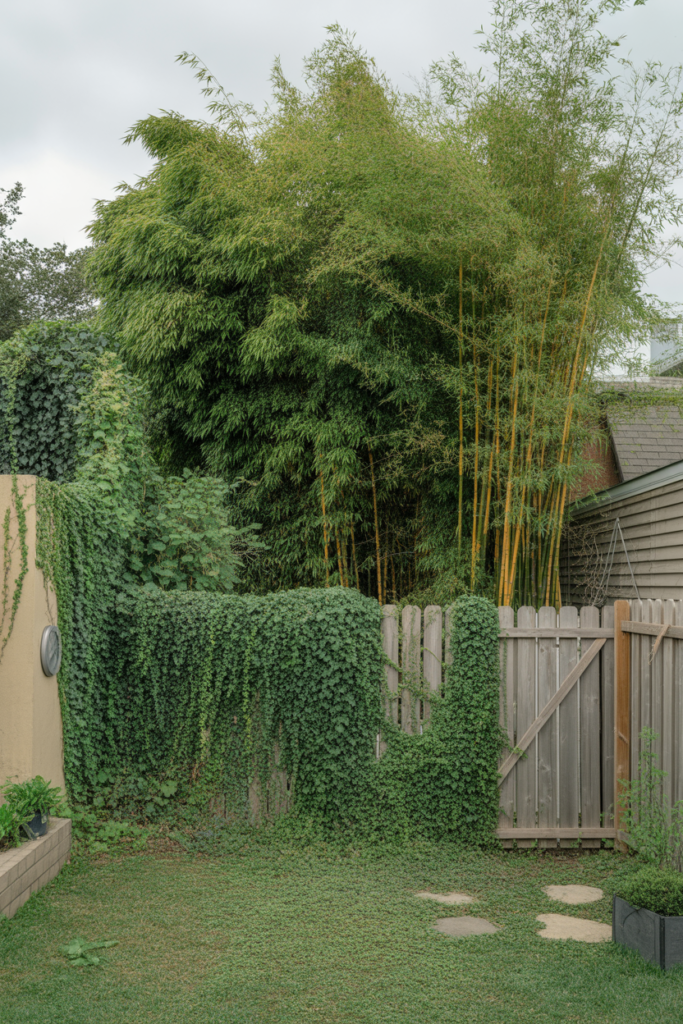
Fast growing fence plants help you get privacy in a short time. These plants spread quickly and cover empty fence areas without waiting many years. Bamboo is a common example because it grows tall and dense in many climates.
Ivy is another option that spreads fast and covers surfaces easily. Many gardening sources recommend it for quick fence coverage in home gardens. It works well when you need fast results.
These plants need regular trimming to stay under control. Without care, they can spread too much and become messy.
2. Climbing Plants for Fence Coverage That Grow Up
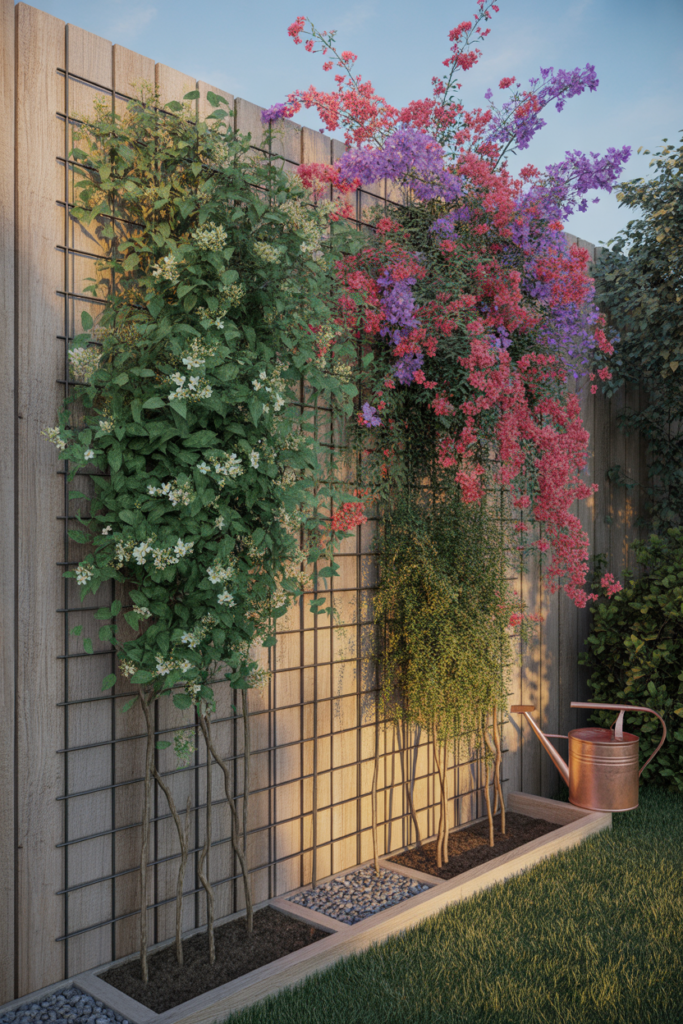
Climbing plants grow upward instead of spreading across the ground. This makes them perfect for fences where space is limited. Jasmine and bougainvillea are popular choices for this type of growth.
These plants attach to fences or support systems like trellis or wires. Gardening experts often recommend them for small yards because they save space. They also create full green coverage over time.
At the start, you may need to guide the plant. After that, it grows on its own along the fence.
3. Flowering Fence Plants That Add Color
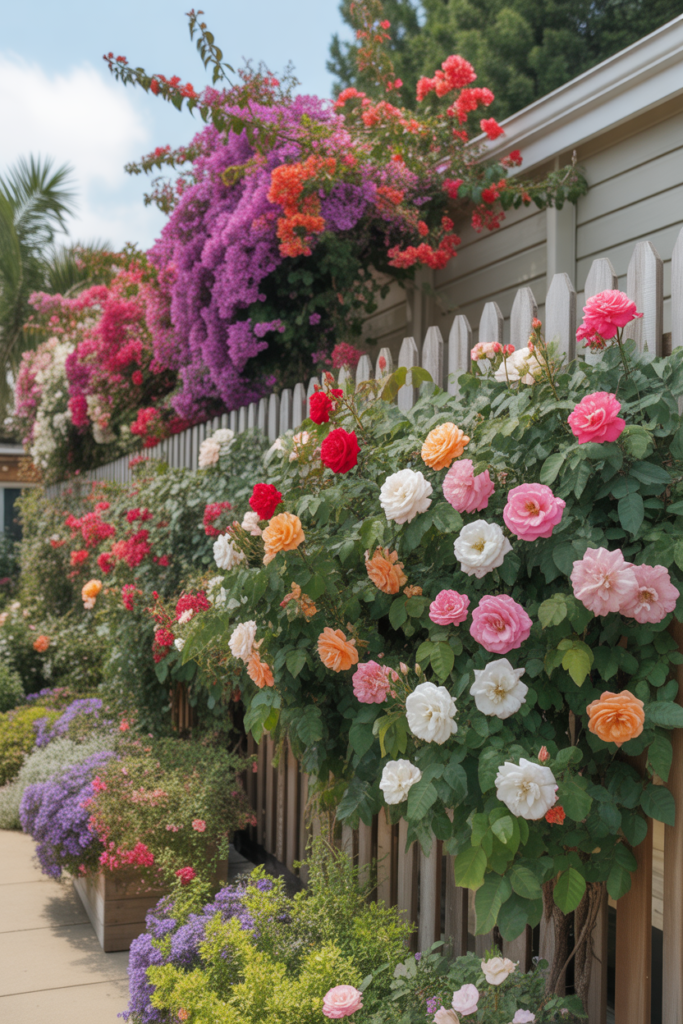
Flowering fence plants make your yard more colorful and attractive. Roses are commonly used because they grow well along fences and produce bright flowers. Bougainvillea is also popular in warm areas for its strong color.
These plants are often seen in garden design ideas because they change plain fences into beautiful walls. They need sunlight to bloom properly and regular trimming to stay healthy.
When maintained well, they create a bright and natural outdoor look
4. Evergreen Fence Plants for Year Round Privacy
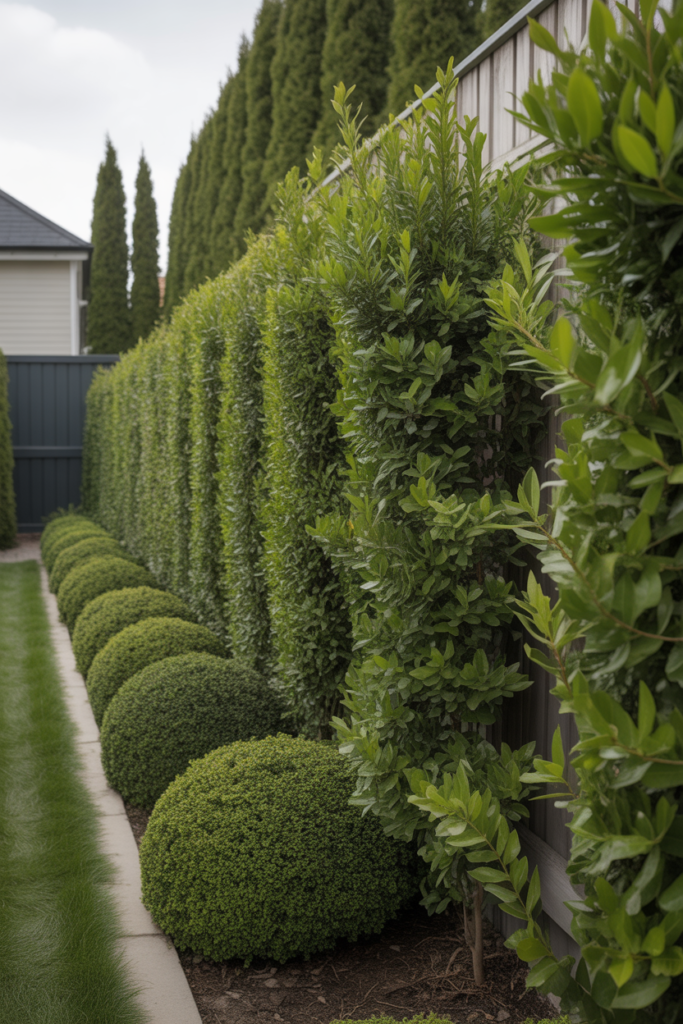
Evergreen plants stay green in all seasons. This makes them useful when you want constant privacy without gaps. Boxwood and laurel are commonly used in hedging and landscaping.
These plants grow slowly but create thick walls over time. They are often recommended in gardening guides for long term privacy solutions. Once grown, they stay strong with basic care.
Regular trimming helps keep them dense and shaped properly
5. Low Maintenance Fence Plants for Busy People
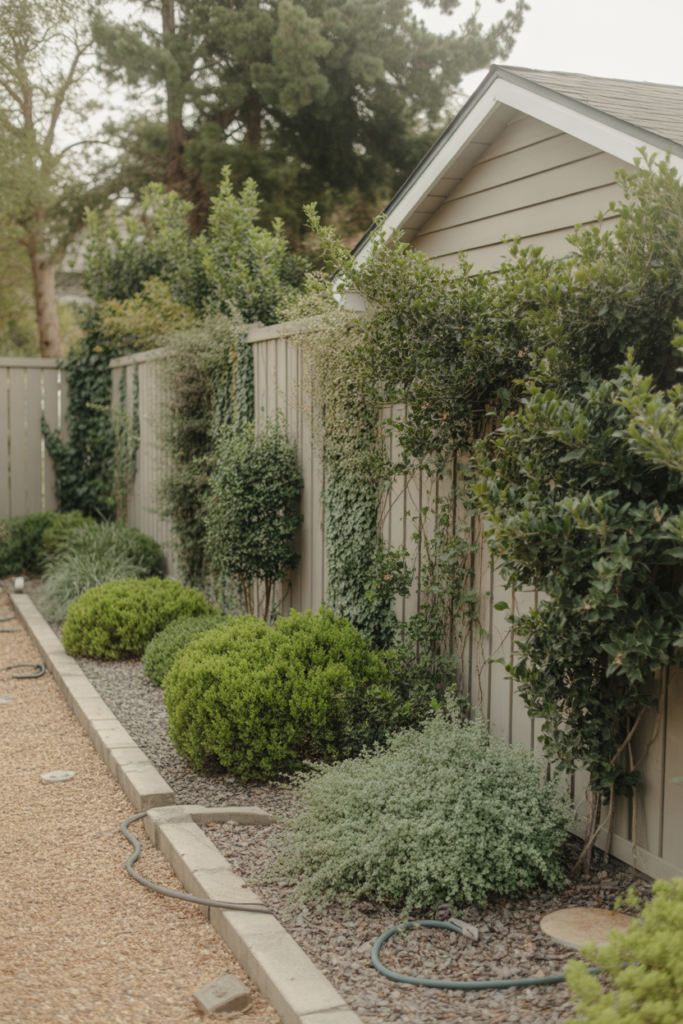
Low maintenance fence plants are good if you do not have much time for gardening. These plants survive with basic watering and simple care. Hardy ivy and drought resistant shrubs are common examples.
Some gardening guides suggest them for hot or dry regions where watering is difficult. They still need occasional trimming but not daily attention.
They are a practical choice if you want greenery without extra work.
6. Fence Plants for Small Gardens That Save Space
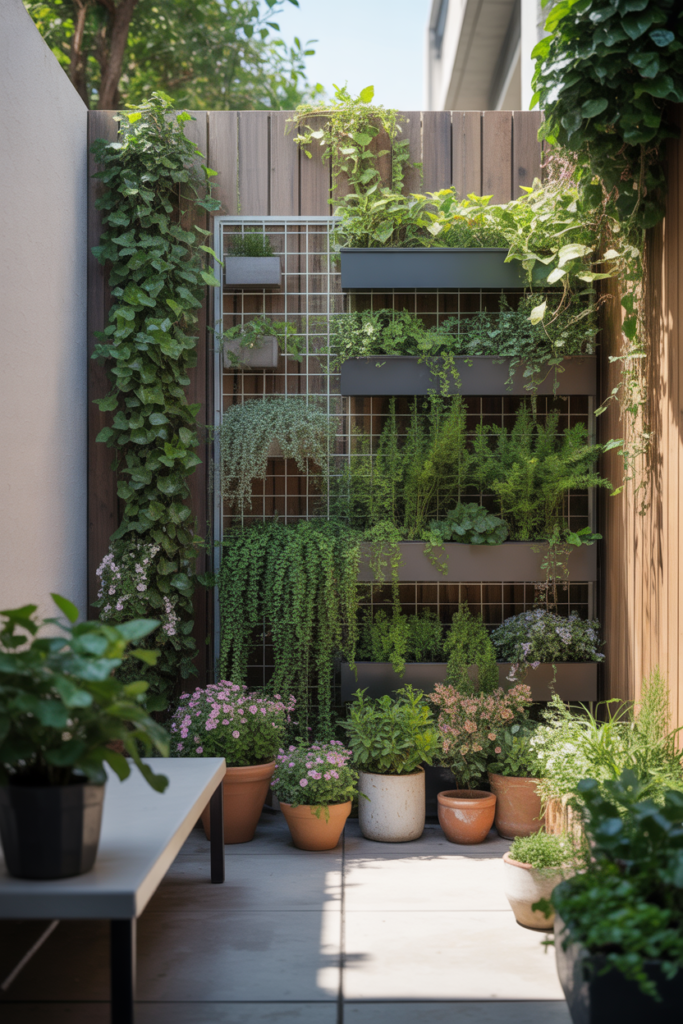
Small gardens need plants that grow vertically instead of spreading wide. Fence plants for small spaces help you use vertical areas without taking floor space.
Trellis systems and vertical gardening setups are often used for this purpose. Many urban homes use this method to create green walls in tight areas.
Potted plants along fences are also useful for flexible design and easy changes.
7. Privacy Fence Plants That Block View
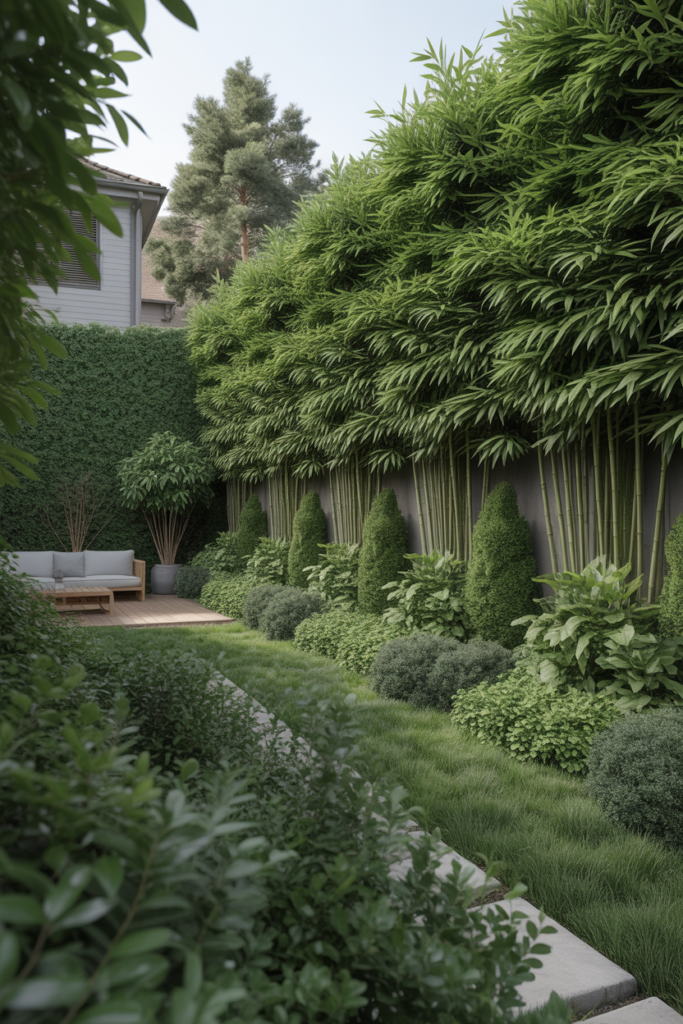
Privacy fence plants grow thick and dense to block outside views. Bamboo hedges are commonly used for this purpose because they grow fast and form solid screens. Laurel and mixed shrubs also work well.
Some landscaping studies suggest dense greenery can reduce outside noise slightly. This makes outdoor space more peaceful.
Proper spacing is important to avoid gaps in coverage.
8. Flowering Climbing Plants for Seasonal Beauty
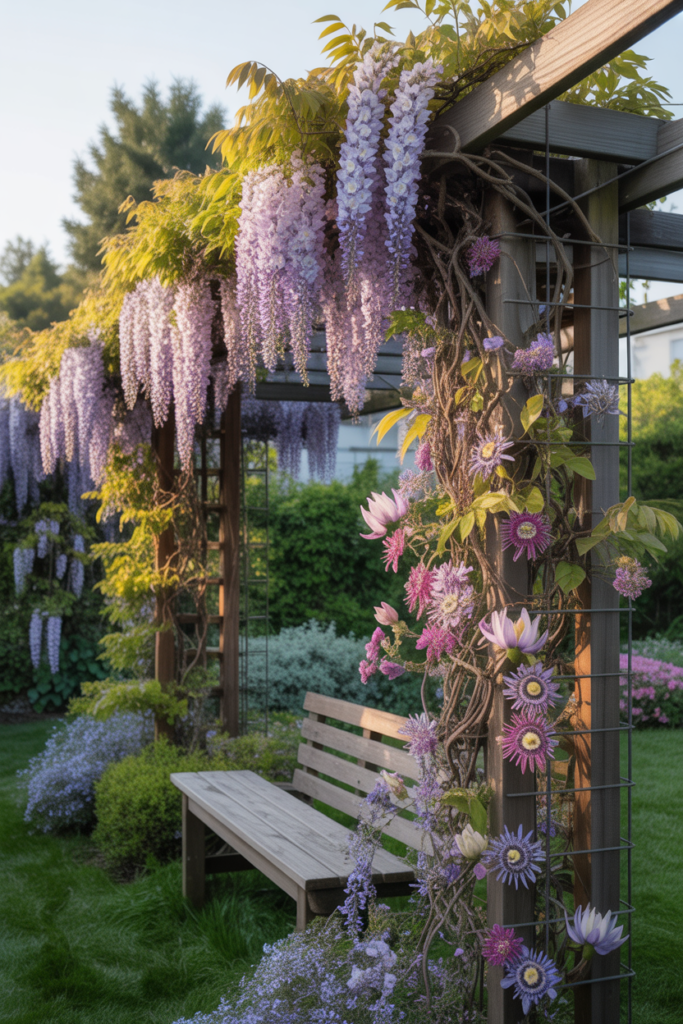
Flowering climbing plants grow along fences and bloom in certain seasons. Wisteria and passionflower are common examples used in decorative gardens.
These plants create strong visual impact when in bloom. They are often seen in garden inspiration content because they change the look of fences.
They need support structures and regular trimming for proper growth.
9. Edible Fence Plants That Give Food and Privacy
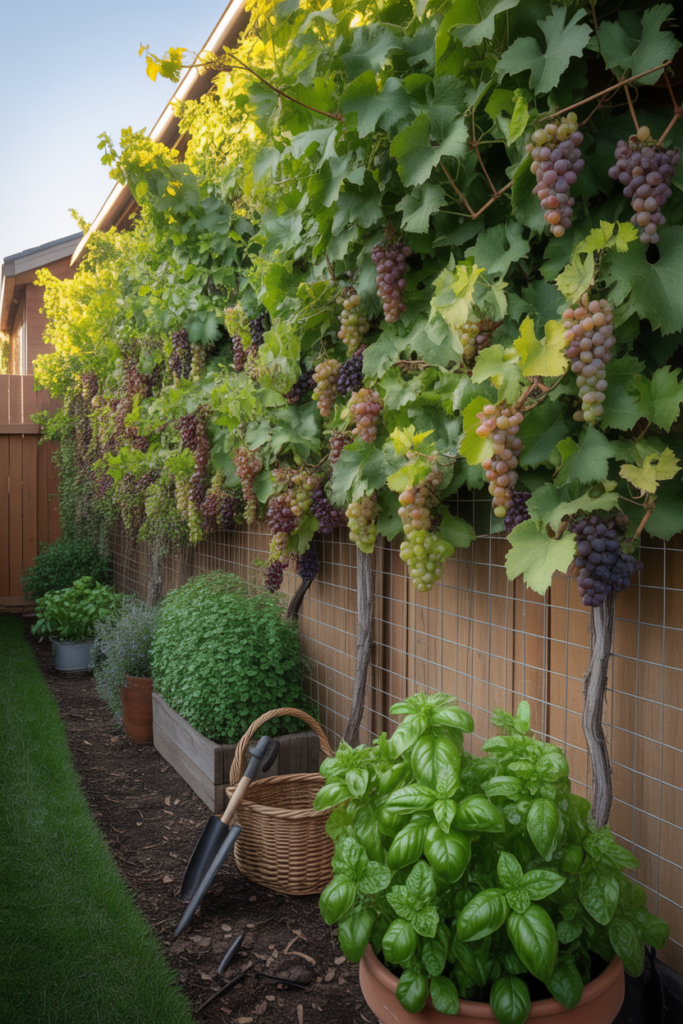
Edible fence plants give both privacy and food. Grapevines are commonly used because they grow along fences and produce fruit. Herbs like mint and basil can also grow near fence edges.
Permaculture gardening guides often recommend mixing food plants with fences. This makes the space both useful and green.
These plants need more care than decorative plants but give useful results.
10. Artificial Fence Plants for Easy Green Look
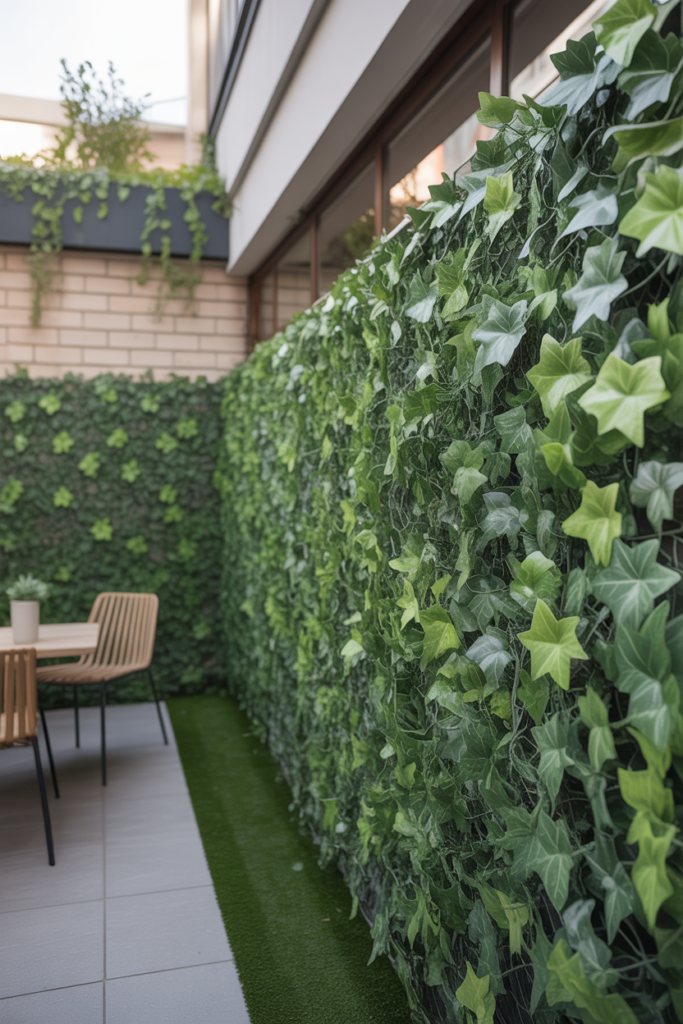
Artificial fence plants give a green look without real maintenance. Fake ivy panels are commonly used in outdoor decoration for this purpose.
They are often seen in cafes and hotels where low maintenance is important. These panels stay the same throughout the year.
They do not grow or provide natural benefits, but they are easy to install.
11. Dense Shrubs for Natural Fence Walls
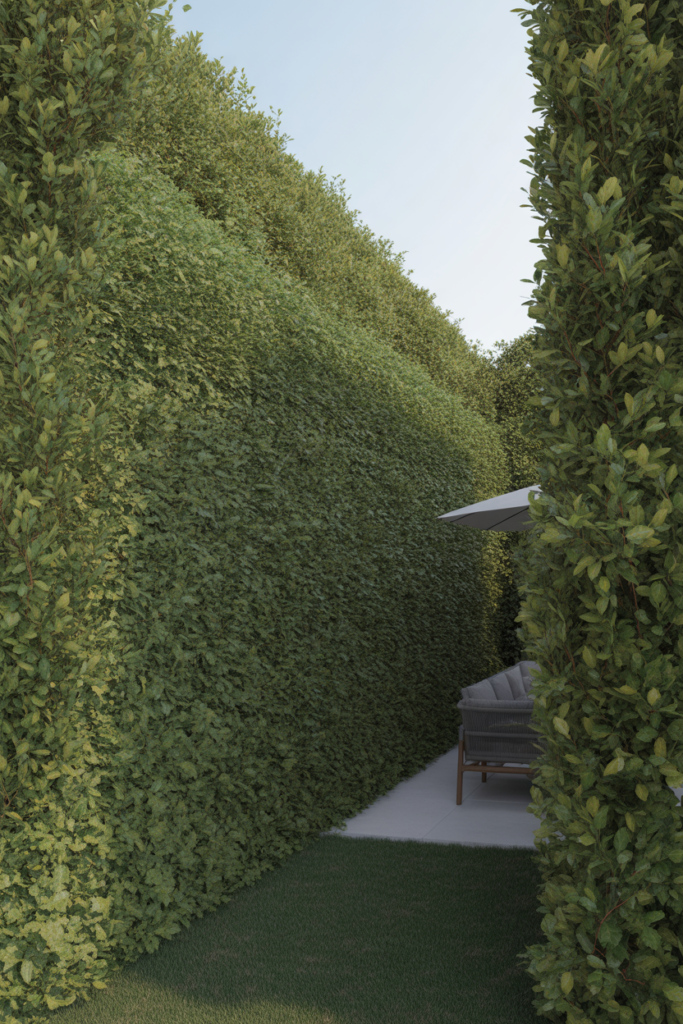
Shrubs grow thick over time and create strong natural fence walls. Privet and laurel are commonly used in home landscaping for hedges.
These plants take time to grow fully but become very dense later. Regular trimming keeps them in shape and improves coverage.
Once established, they provide strong and long term privacy.
12. Mixed Plant Fence Layers for Better Coverage
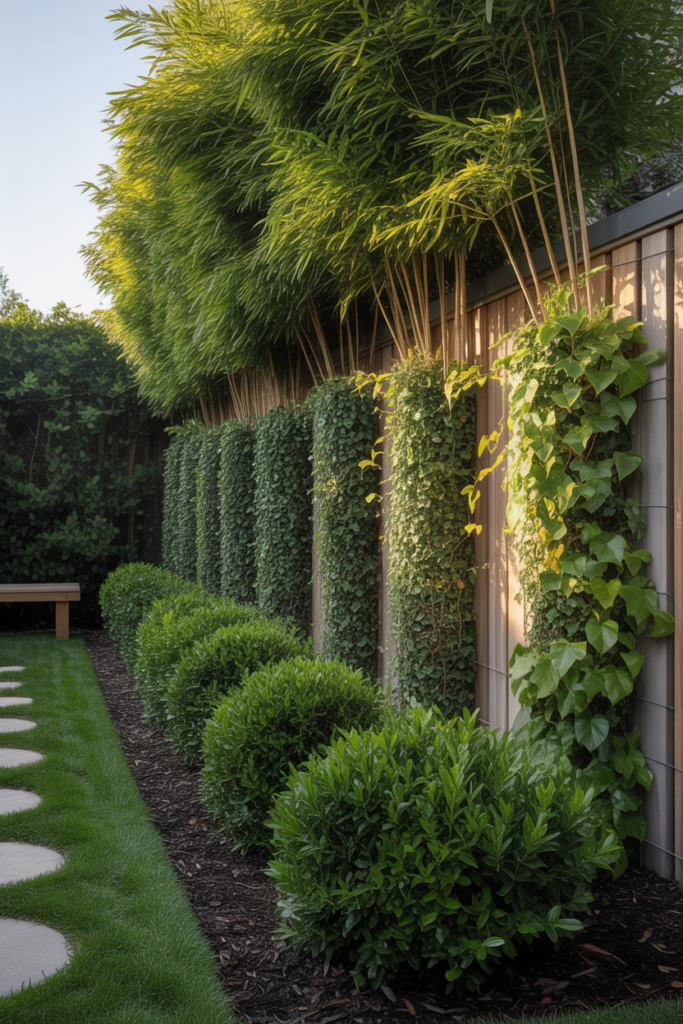
Mixed planting uses different plants together along the fence. This creates layers of height and texture. For example, shrubs can grow at the bottom while climbers grow above.
This method is often used in garden design because it improves coverage. It also reduces the risk of gaps if one plant grows poorly.
The final result looks more natural and full
13. Potted Fence Plants for Flexible Setup
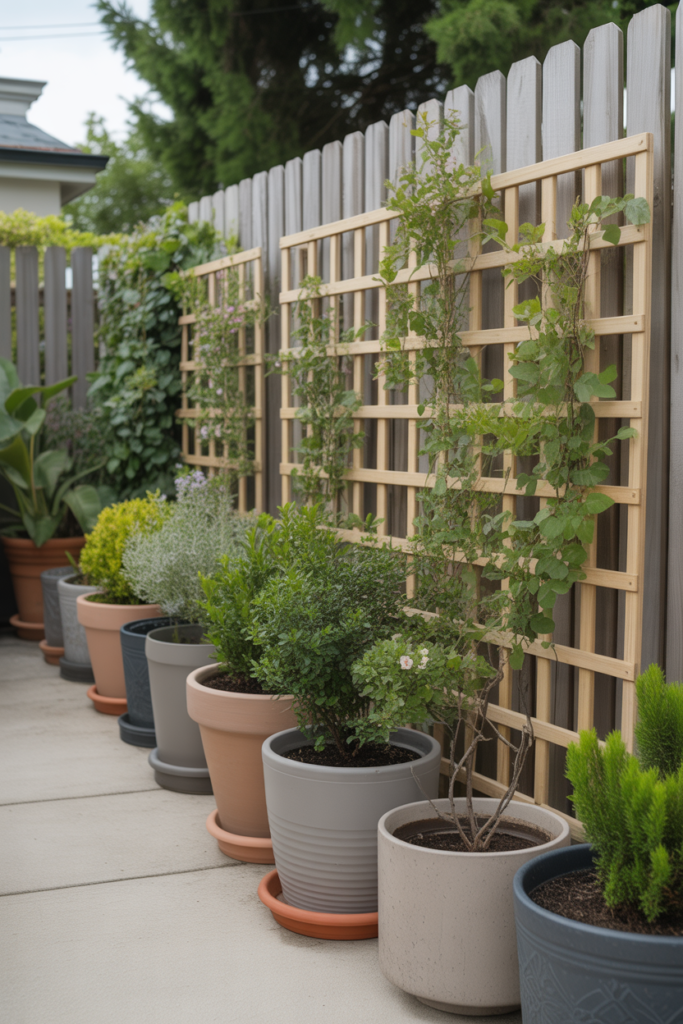
Potted plants along fences give flexibility in design and placement. You can move or replace them easily whenever needed.
This is useful for renters or small spaces where permanent planting is not possible. However, pots dry out faster than ground soil.
That means they need more frequent watering.
14. Trellis Fence Systems for Guided Growth
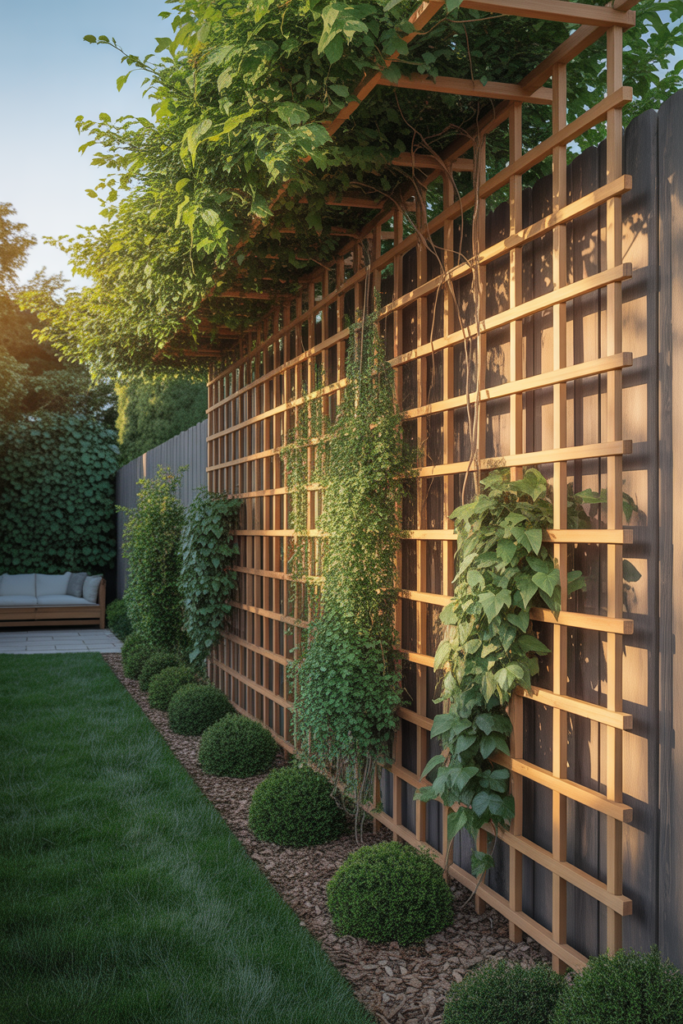
Trellis systems help guide climbing plants along fences in a controlled way. They give plants support so they grow upward and spread evenly.
Wood and metal trellises are often used in home gardens and DIY setups. They help turn plain fences into structured green walls.
At the start, you may need to guide the plant until it attaches properly.
Conclusion
Fence plants are a simple way to improve privacy and outdoor space. Some grow fast, some stay green all year, and some need very little care.
You can choose based on your space, weather, and time. Start small and build your fence garden step by step.
The right fence plants ideas can turn a plain fence into a private green wall you actually enjoy.