14 Ideas for Covering Popcorn Ceilings Without a Full Remodel
Introduction
Popcorn ceilings were once common in many homes, but today they often make a room feel older than it really is. Many homeowners dislike the rough texture because it collects dust, looks dated, and can make a space feel darker. Removing popcorn ceilings is one option, but it can be messy, expensive, and time consuming.
This guide shares 14 ideas for covering popcorn ceilings that can help you refresh your space without tearing everything down. Whether you want a modern style, farmhouse look, or simple update, there is an option that can work for your home.
1. Install Beadboard Panels for a Cottage Style Look
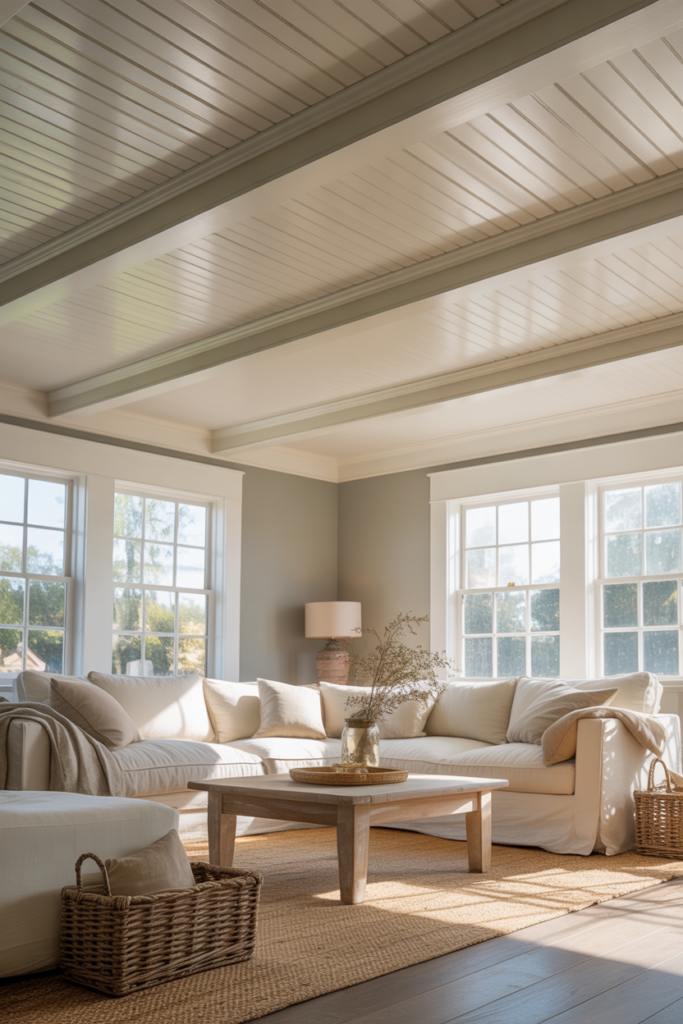
Beadboard panels are a popular way to cover popcorn ceilings because they create a clean and finished appearance. The panels are installed directly over the existing ceiling, which means you can avoid the mess of scraping away the texture. The narrow grooves in beadboard also add character without making the room feel busy.
This option works especially well in farmhouse, cottage, and coastal style homes. White beadboard can make a room feel brighter and more open. It also gives ceilings a more polished appearance while hiding every bit of the old popcorn texture underneath.
2. Add Shiplap for a Modern Farmhouse Feel

Shiplap has become a favorite choice for homeowners who want a modern farmhouse look. Installing shiplap boards across the ceiling covers the popcorn texture completely and creates clean lines that add visual interest.
Many people paint the boards white to keep the room feeling bright. Natural wood finishes can also work if you want a warmer look. While installation takes some effort, the finished result often looks like a major renovation rather than a simple ceiling update.
3. Cover the Ceiling With Wood Planks
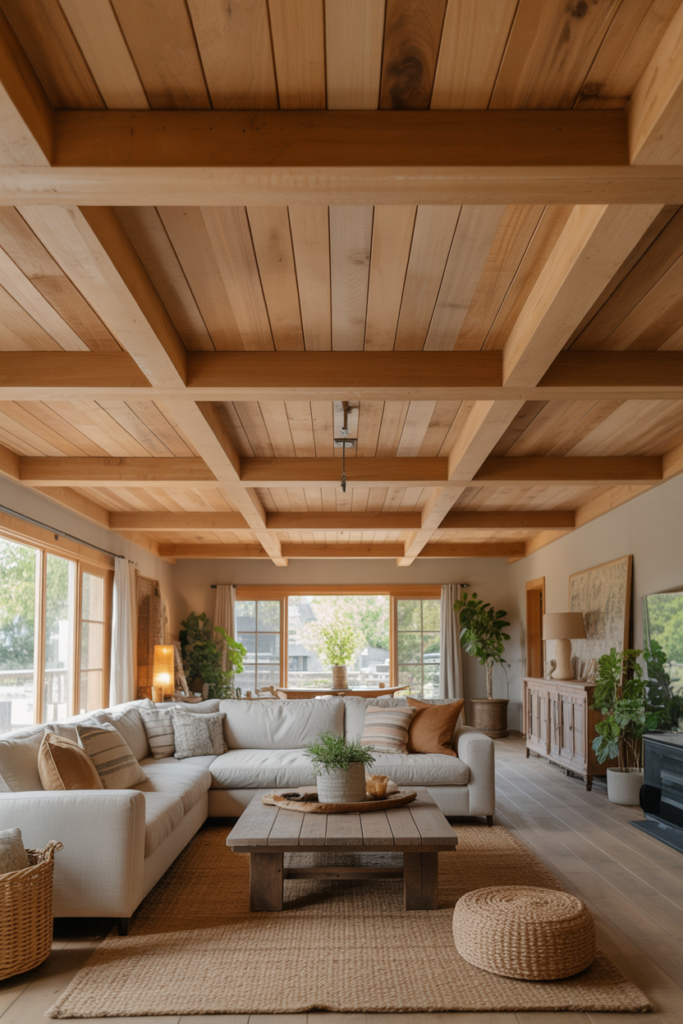
Wood planks can completely transform a room and make it feel more custom. They cover popcorn ceilings while adding warmth and texture. Depending on the stain or paint color you choose, the room can feel rustic, modern, or traditional.
This option works particularly well in living rooms, bedrooms, and vaulted spaces. Lighter wood tones help maintain an open feeling, while darker finishes create a cozy atmosphere. The planks also help draw attention away from the ceiling’s previous texture.
4. Use Ceiling Tiles for a Decorative Upgrade
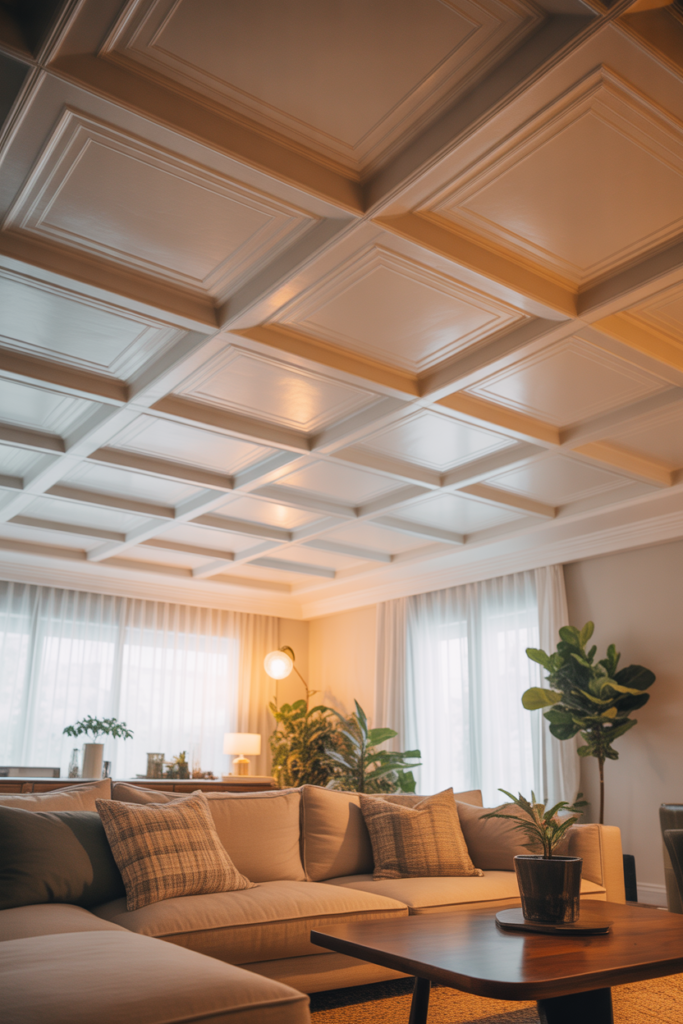
Ceiling tiles are available in many patterns and styles, making them a flexible solution. They can be installed directly over popcorn ceilings in many cases, saving time and reducing mess.
Some tiles mimic traditional tin ceilings, while others have modern geometric designs. This allows you to match the style of your home without replacing the entire ceiling structure. Many lightweight options are also suitable for DIY projects.
5. Install Tongue and Groove Boards
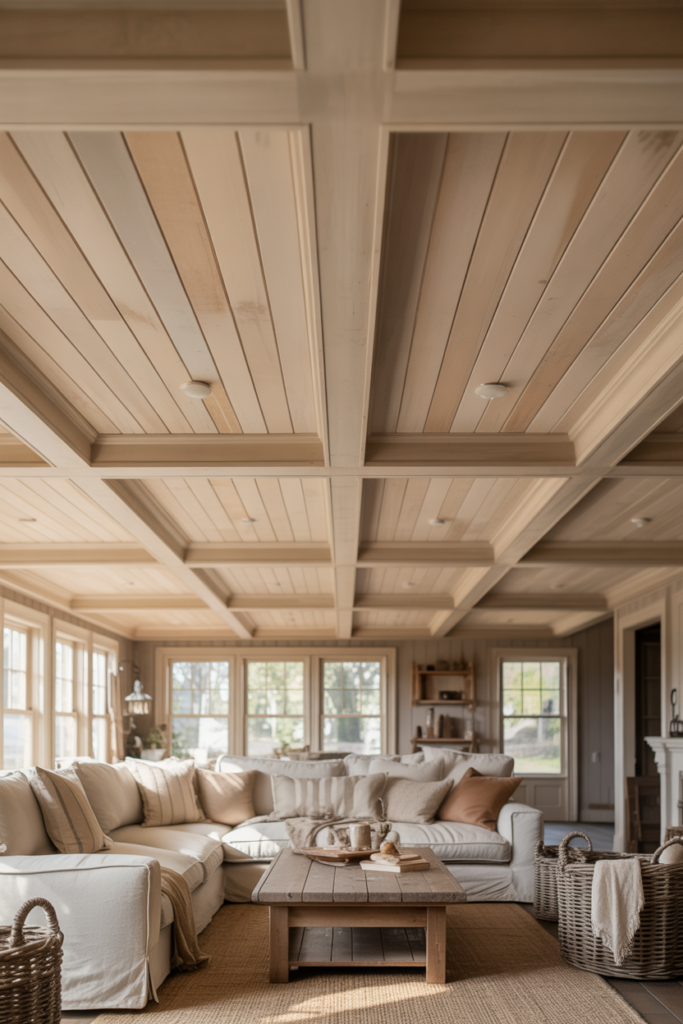
Tongue and groove boards fit tightly together and create a smooth finished surface. They are often used in cabins and farmhouse style homes, but they also work in modern interiors.
The boards hide popcorn ceilings completely and create a more intentional design feature. Painted versions give a clean appearance, while stained wood finishes add warmth. This option can increase the visual appeal of a room without feeling overly decorative.
6. Apply Thin Drywall Over the Existing Ceiling
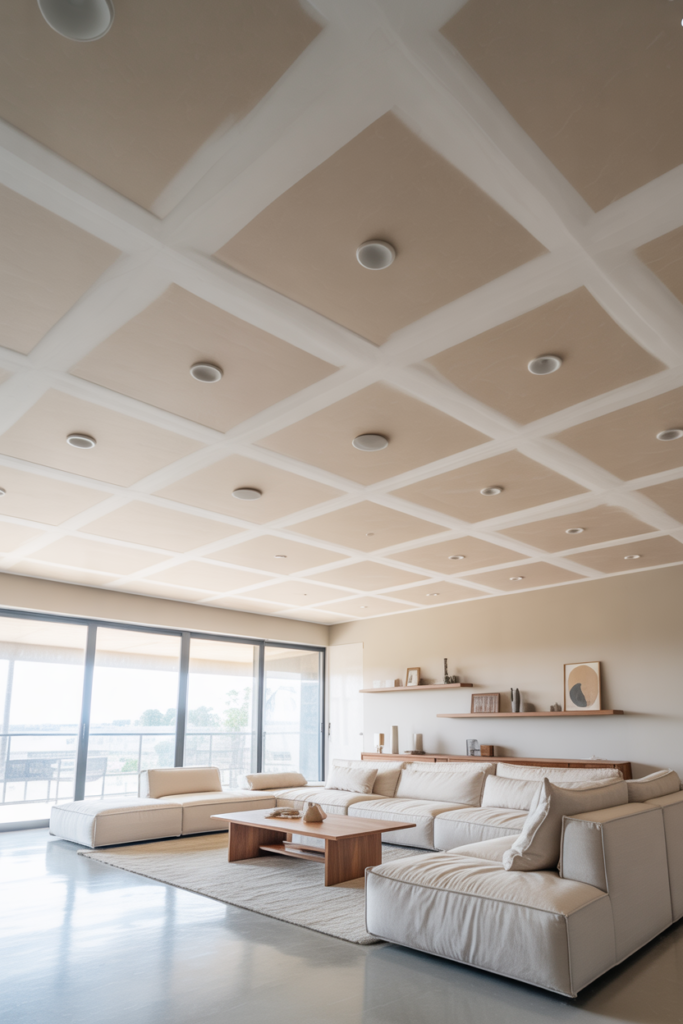
Installing new drywall over the popcorn ceiling creates a completely smooth surface. This method avoids scraping and gives you a fresh ceiling that can be painted any color you like.
The process requires careful installation because drywall sheets can be heavy. However, many homeowners choose this option because it creates results that look like a brand new ceiling. It is a practical solution when you want a clean and modern finish.
7. Use Decorative PVC Ceiling Panels
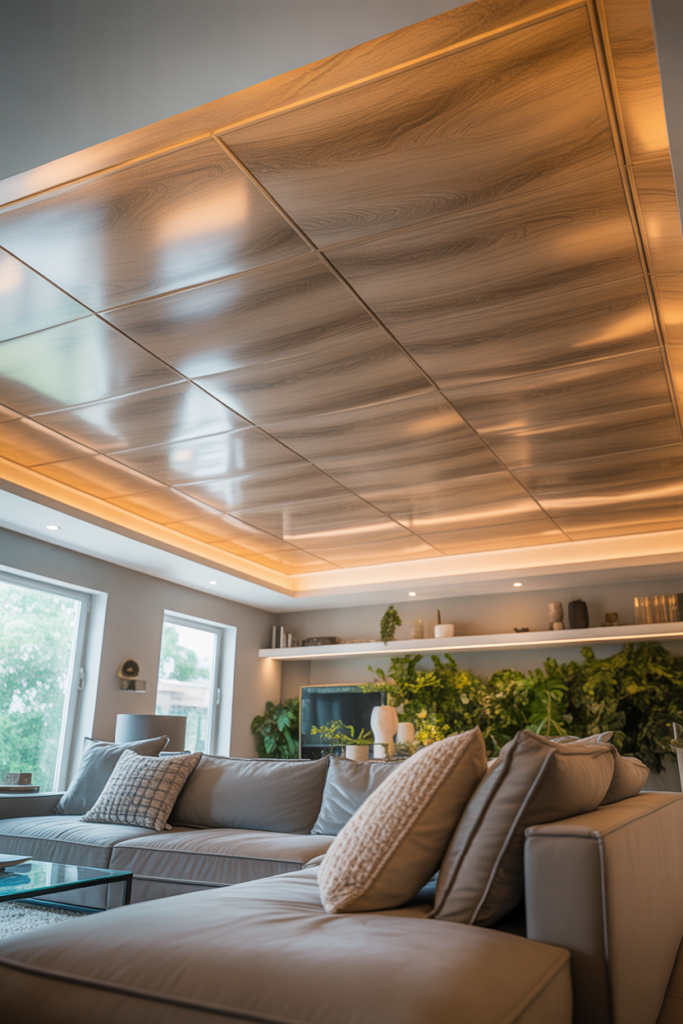
PVC ceiling panels are lightweight, durable, and easy to clean. They come in many styles and can cover popcorn ceilings quickly. Some designs look like wood, while others imitate decorative ceiling tiles.
These panels are often used in bathrooms, kitchens, and basements because they resist moisture better than some other materials. They can also provide a high end look without the cost of custom woodwork.
8. Create a Coffered Ceiling Design
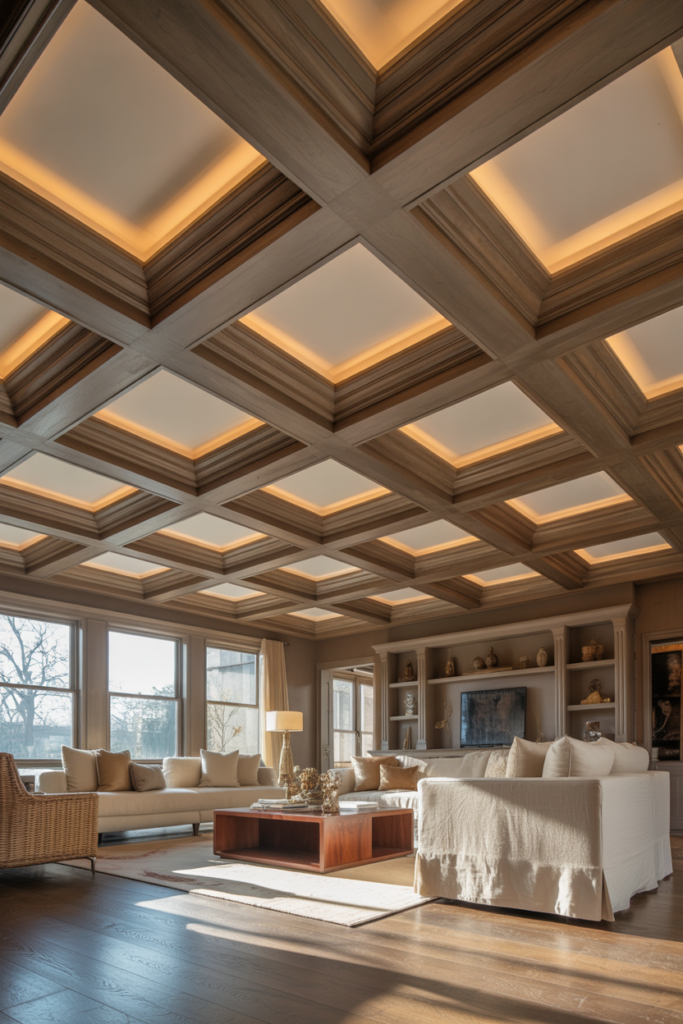
A coffered ceiling uses beams arranged in a grid pattern to create depth and structure. This design can be built over a popcorn ceiling, turning an outdated surface into a major design feature.
While this option takes more planning than some others, it creates a dramatic result. Coffered ceilings work especially well in dining rooms, living rooms, and larger spaces where architectural details can stand out.
9. Install Faux Wood Beams
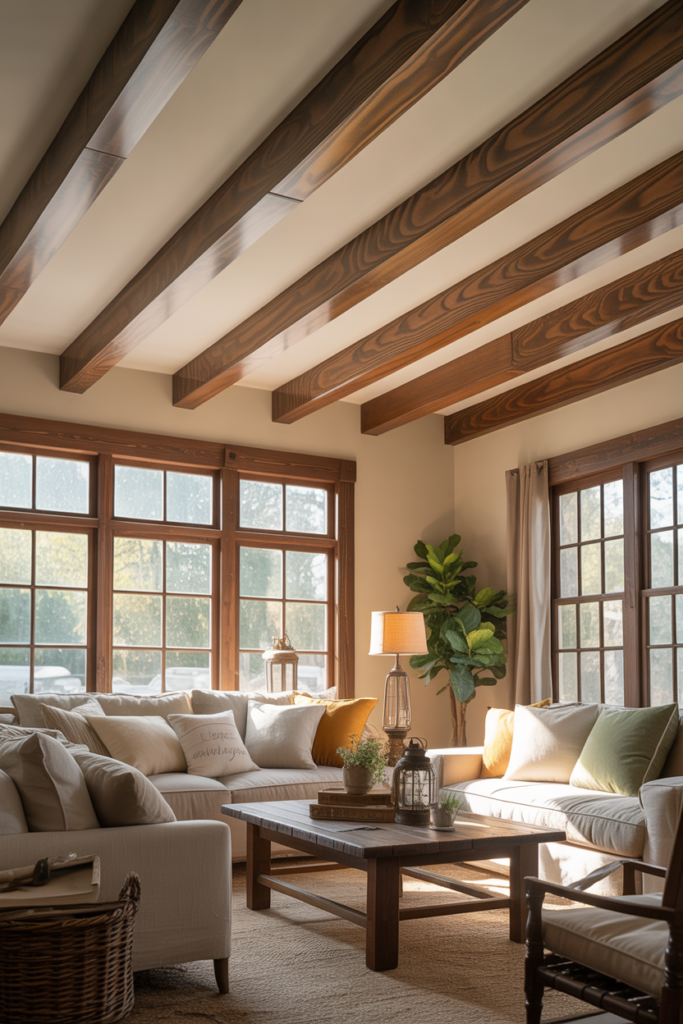
Faux wood beams can distract from a popcorn ceiling and make the room feel more custom. These lightweight beams are easier to install than solid wood and are available in many finishes.
The beams create visual interest and help draw the eye across the room. They work particularly well in farmhouse, rustic, and traditional interiors. Combined with paint or other ceiling treatments, they can completely change the look of a space.
10. Cover the Ceiling With Fabric Panels

Fabric panels are a less common option, but they can create a soft and unique look. The panels stretch across the ceiling and hide the popcorn texture underneath.
This approach works best in bedrooms, media rooms, or creative spaces where a softer appearance is desired. It can also help reduce echoes in larger rooms. While it is not the right choice for every home, it can create a distinctive result.
11. Add Painted Plywood Panels
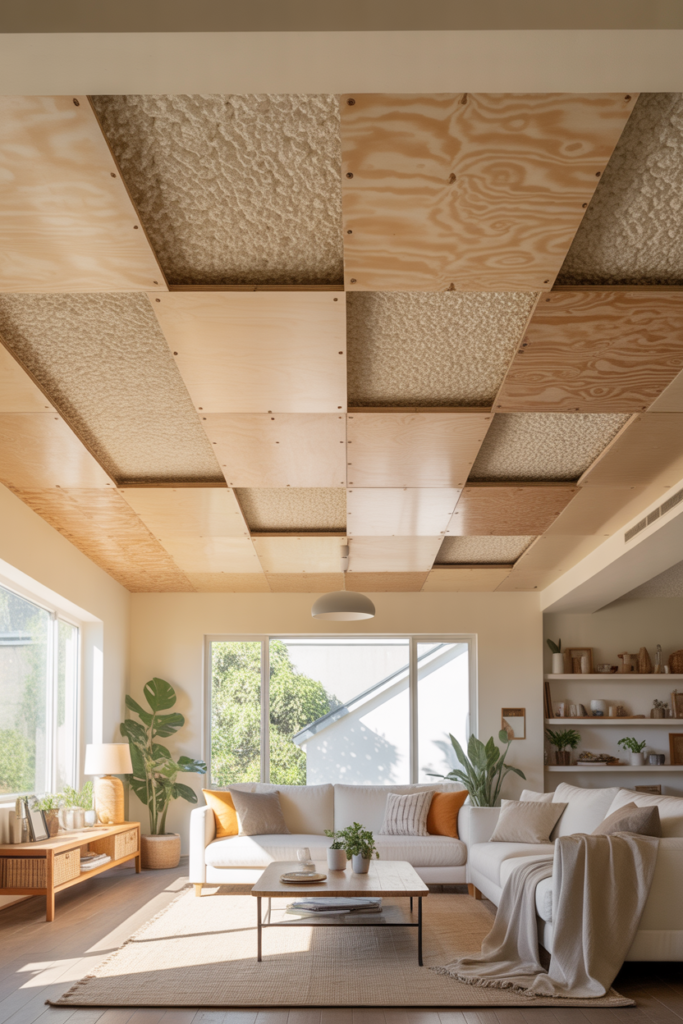
Plywood panels offer a budget friendly way to cover popcorn ceilings. Once installed and painted, they provide a smooth appearance that looks much more modern than textured ceilings.
This option is popular among DIY homeowners because the materials are widely available and relatively affordable. With proper finishing, the ceiling can look clean and professionally completed.
12. Use Peel and Stick Ceiling Planks
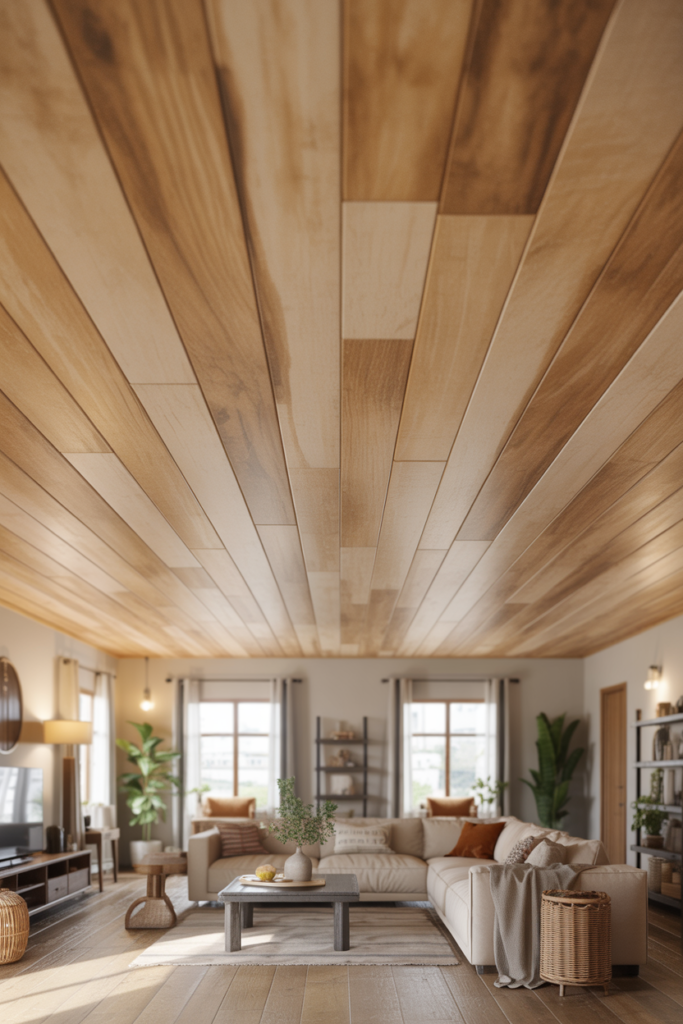
Peel and stick ceiling planks are designed for easy installation. They can often be applied directly over existing surfaces, making them a good choice for quick updates.
Many products mimic real wood and create a stylish appearance without major construction work. They are especially useful for homeowners who want a visible improvement without taking on a large project.
13. Install Metal Ceiling Panels
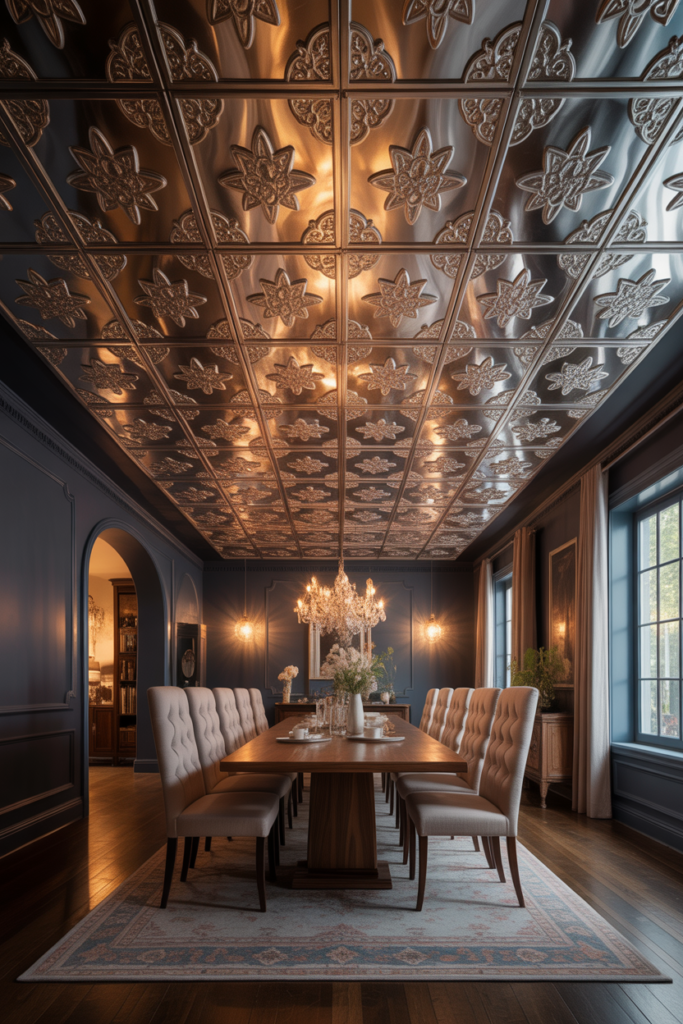
Metal ceiling panels add texture and character while covering popcorn ceilings completely. They are available in traditional and modern styles, depending on the look you want.
These panels can create a striking focal point in dining rooms, kitchens, and home offices. While they are more noticeable than some other options, they can give a room a custom and finished appearance.
14. Paint the Ceiling After Encapsulation
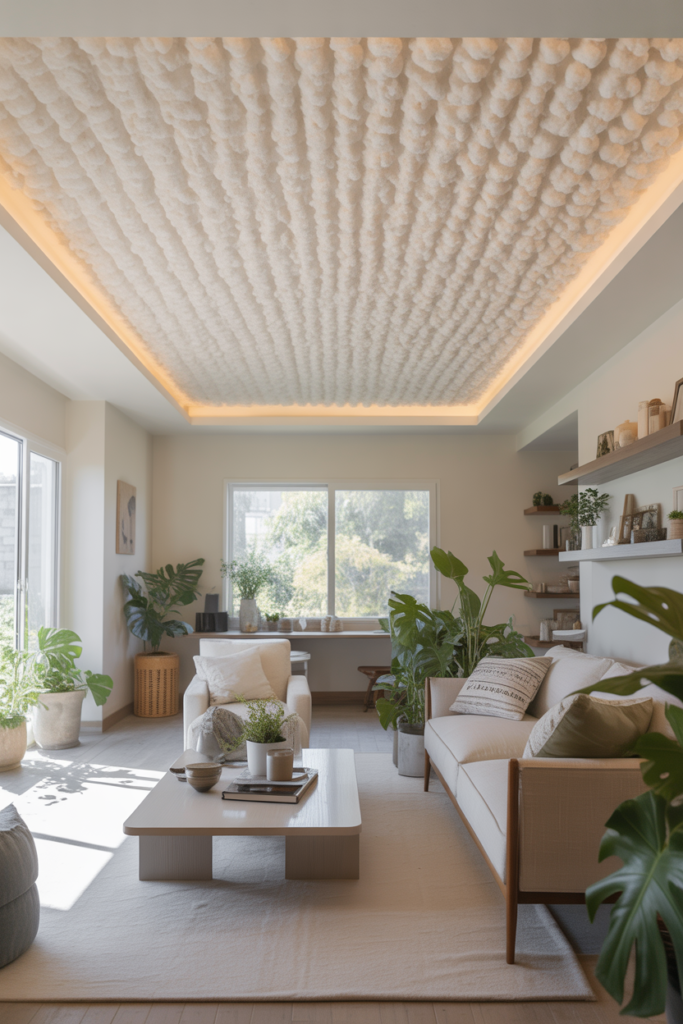
If the popcorn texture is in good condition, encapsulation may be an option. This involves covering the texture with a specialized coating and then painting the ceiling. While it does not completely hide the texture, it can make it much less noticeable.
This is one of the most affordable solutions on the list. It works best when the texture is even and not heavily damaged. While the ceiling will still have some texture, the fresh paint can make the room feel cleaner and more updated.
Conclusion
Popcorn ceilings can make a room feel dated, but removing them is not your only option. Covering the texture is often faster, cleaner, and more affordable than a full removal project.
Whether you choose beadboard, shiplap, ceiling tiles, or another solution, the right choice depends on your budget, style, and skill level. Start with the option that fits your space best. A simple ceiling update can make the entire room feel newer and more inviting.